
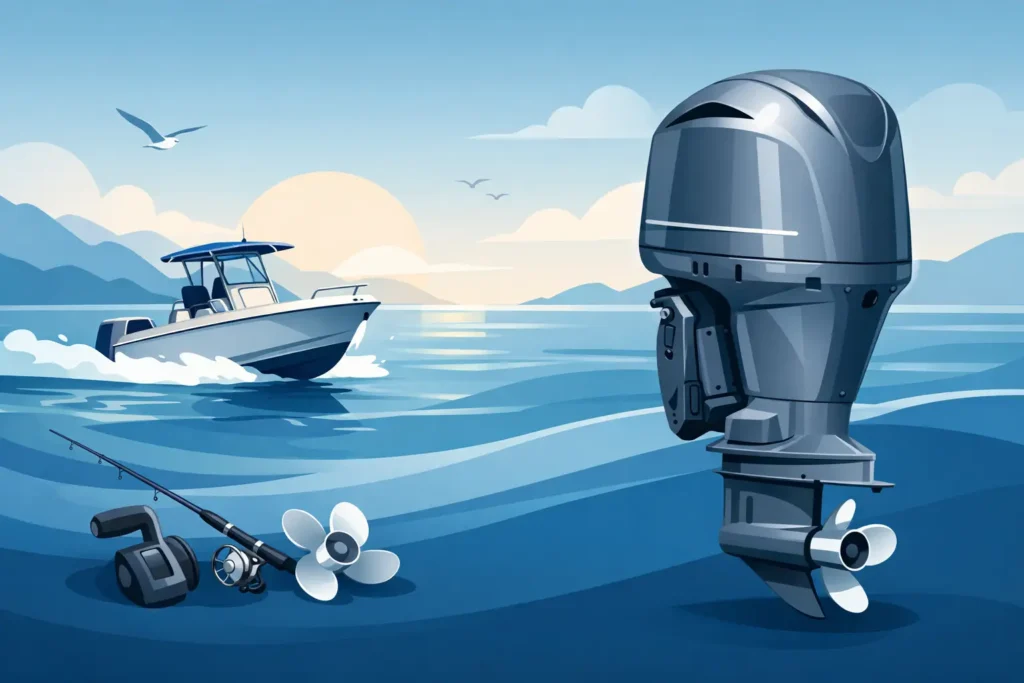
A 250 horsepower outboard is not a casual purchase. If you are shopping a yamaha 250 hp outboard, you are likely replacing a failed engine, repowering for better performance, or trying to match the right motor to a boat that needs serious power without moving into a larger and more expensive setup.
That is where buying decisions get practical fast. Price matters, shaft length matters, weight matters, and availability matters even more when the season is already moving. For many buyers, the question is not whether Yamaha is a known name. The real question is which 250 HP setup gives the best value for the boat, the workload, and the budget.
Why a Yamaha 250 HP outboard stays in demand
The 250 HP class sits in a strong middle ground for larger center consoles, bay boats, offshore fishing boats, and some commercial applications. It gives enough power for heavy loads and stronger hole shot, but it does not always push buyers into the cost, fuel use, or transom demands that can come with stepping higher.
That balance is a big reason demand stays steady. Buyers in this range usually know what they want. They are comparing reliability, total operating cost, rigging compatibility, and how quickly they can get back on the water. A Yamaha 250 is often on the shortlist because it has a long track record in the market and broad appeal among boat owners who want performance without guessing.
For budget-focused shoppers, it also helps that the 250 HP category gives more than one buying path. Some buyers want a brand-new engine with factory warranty support. Others are open to a used outboard if the condition, hours, and pricing make sense. That flexibility matters when inventory shifts and timing is tight.
What to look for in a yamaha 250 hp outboard
Not every 250 is the right 250 for your boat. The headline horsepower is only part of the deal. The smarter purchase usually comes from checking fitment and total package cost before getting locked in on a listing price.
Shaft length and boat match
This is one of the first filters. A 250 HP outboard that does not match the transom setup creates problems you do not want after delivery. Buyers should confirm shaft length requirements, especially on offshore and multi-engine applications where setup affects handling and efficiency.
New vs used condition
A new motor gives buyers more confidence around warranty and fresh service life. A used engine can save real money up front, but only if the condition is verified properly. Lower cost is attractive, but it should be weighed against engine hours, maintenance history, cosmetic wear, and compression or inspection details when available.
Weight and transom capacity
At 250 HP, weight is no small detail. Some repower jobs are straightforward, while others need a closer look at how the new outboard compares with the old one. A heavier engine can affect trim, draft, and performance. A lighter one can help in some setups, but only if it still delivers the torque and balance the boat needs.
Controls and rigging
Buyers often focus on the engine and forget the rest of the package. Controls, gauges, harnesses, steering compatibility, prop selection, and rigging parts all affect the final number. A discounted motor can still become an expensive repower if the rigging side is not clear from the start.
New or used – which one makes more sense?
It depends on how you use the boat and how tight the buying window is. If the boat earns money, runs often, or needs dependable uptime, a new outboard usually makes the better case. The higher upfront price may be worth it for warranty coverage and fewer unknowns.
Used can be the smart move for personal boats, backup setups, or buyers who know how to evaluate engine condition. The key is not chasing the lowest price. The better move is finding a used 250 that still has life left in it, is correctly represented, and fits the boat without surprise costs stacking up after purchase.
A lot of buyers get this wrong by comparing only sticker price. What matters is the real total. That means engine cost, shipping if applicable, controls, prop, install, and any immediate service work. A cheaper used motor that needs rigging changes and service can end up costing more than expected.
Pricing factors buyers should expect
In this category, pricing can move based on inventory, model year, condition, and included components. There is no single flat market number that applies to every Yamaha 250 HP outboard. Buyers should expect pricing to shift between clean used inventory, new stock, and complete packages.
The biggest price drivers are usually whether the motor is new or used, whether it includes controls or rigging, how available that model is at the time of purchase, and whether the seller is moving inventory aggressively. That last point matters for deal shoppers. If you are comparing options, you want to know whether the listing is priced to move or just listed to attract inquiries.
This is why serious buyers often shop by budget first, then narrow by condition and setup. If you know your cap, it becomes easier to decide whether you want lower hours, newer model year, warranty support, or a more affordable used unit that still fits the job.
Best buyers for a Yamaha 250 HP outboard
This horsepower range is a practical fit for buyers who need strong everyday use, not just headline speed. Offshore anglers often look here because 250 HP offers a good mix of top-end performance and load-carrying ability. Bay and coastal boat owners may choose it when they want better acceleration and improved confidence with passengers, fuel, gear, and rougher water.
Small commercial operators also shop this class because downtime costs money. A dependable outboard with the right power rating can support workboats, guide operations, and heavy-use applications where reliability and service life matter more than flashy features.
For repower buyers, the 250 class often makes sense when moving up from 200 or 225 HP. That extra power may improve performance under load, especially on boats that always run with gear, live wells, coolers, or multiple passengers.
How to shop smarter when inventory changes fast
The biggest mistake buyers make is waiting too long after finding a fit. Good inventory in popular horsepower ranges does not always sit for long, especially when pricing is competitive. If you are serious about buying, have your boat details ready before reaching out. That means transom height, current engine information, steering type, and whether you need a bare motor or a rigged package.
That saves time and helps avoid back-and-forth that delays the deal. It also puts you in a better position to compare options quickly if more than one unit is available.
If you are open to both new and used, say that early. Flexibility can open better pricing options and increase the chance of getting a motor faster. The same goes for color preference, included rigging, or model year. Some buyers lose a good deal because they started too narrow.
At Yamaha Motor Shop, this is where value-focused buyers usually get the best result – by matching inventory to budget instead of forcing one exact listing that may not be the best overall buy.
Questions to ask before you commit
A serious purchase should come with straight answers. Before buying, confirm whether the outboard is new or used, what is included in the sale, whether warranty coverage applies, and what condition details are documented. If it is used, ask about hours and service background if available. If it is new, confirm what comes with the engine and what is extra.
You should also ask about lead time and shipping or pickup process. A good price is only good if the delivery timeline works for your season, repair schedule, or customer commitments.
For experienced buyers, these questions are not extra caution. They are part of buying right the first time.
Is a Yamaha 250 HP outboard worth it?
For many boat owners, yes – if the boat is rated for it and the package fits the job. This horsepower range is popular because it covers a lot of real-world needs without pushing every buyer into a bigger, costlier setup. It can be a strong repower choice, a solid commercial option, and a smart long-term buy when price, condition, and fitment all line up.
The best deal is not always the cheapest listing on the screen. It is the outboard that matches your boat, your workload, and your budget without creating extra problems after the sale. If you shop that way, you give yourself a much better chance of getting back on the water with the power you actually need.